Key takeaways
- Compare the best inexpensive smoke detectors for bedrooms, hallways, and rentals. Battery alarms, sealed 10-year power, and simple installs explained.
Buying a smoke detector looks simple until you need five or six of them. One alarm for a bedroom is a small purchase, but covering every level, every bedroom, and the hallway outside them turns into a real budget decision, and the cheapest unit on the shelf is not always the cheapest way to protect a home. The choice comes down to sensor type, how the alarm is powered, and how much upkeep you are willing to do over the next decade.
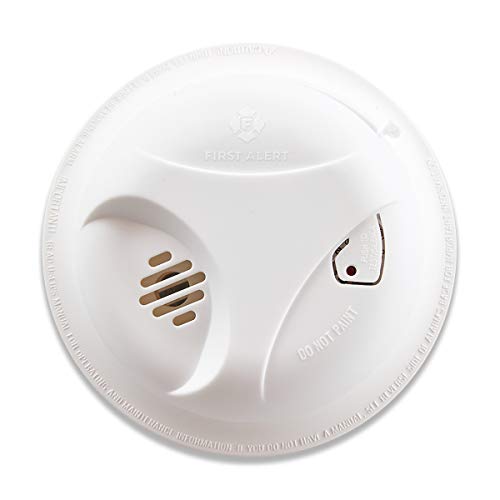

This guide is for renters fitting out a first flat, landlords equipping several properties, and homeowners replacing alarms that have reached the end of their life. Every alarm below was chosen from the name and specifications shown on its Amazon product page, with a focus on basic battery-powered models that install without wiring and keep the upfront spend low.
Quick Picks
As an Amazon Associate we earn from qualifying purchases
| Product | Best for | Key spec from title |
|---|---|---|
| First Alert SA303CN3 | A single bedroom or hallway on a tight budget | Battery-powered ionization smoke alarm with test/silence button |
| First Alert SMI100 | A basic alarm with newer sensing technology | Battery-operated detector with test and silence button |
| First Alert SMI110 | A home where nobody wants battery chores | 10-year sealed battery detector with test and silence button |
How to Choose
Ionization or photoelectric sensing
Ionization sensors react quickly to the tiny particles thrown off by fast-flaming fires, the kind that start from paper, grease, or an overloaded outlet. Photoelectric sensors respond sooner to the larger particles from slow, smoldering fires, such as a mattress or upholstery catching light. Neither type covers every fire, so many households mix the two or place ionization alarms in bedrooms and photoelectric alarms near living areas. If you can only buy one type, think about what is most likely to burn in each room rather than picking the same sensor for the whole house.
Replaceable battery or sealed 10-year battery
Alarms with a replaceable 9-volt battery cost less upfront and let you swap the cell whenever the low-battery chirp starts, but they ask for a battery change every year or so and a chirp at 3 a.m. when you forget. Sealed 10-year models carry a built-in lithium battery that lasts the life of the alarm, so there are no battery swaps and no low-battery chirps for a decade. Some states require sealed 10-year alarms, so check local rules before ordering a batch of replaceable-battery units for a rental property.
Test and silence controls
A single button that both tests the alarm and silences nuisance alarms matters more than it sounds. Cooking smoke and shower steam set off hallway alarms regularly, and an alarm that is hard to silence gets taken down and left on a shelf. Look for a large, easy-to-press test/silence button and a hush feature that quiets a false alarm for a few minutes. Test every alarm monthly by holding the button until the horn sounds, and replace any unit that stays silent.
How many alarms and where they go
One alarm per room is not enough, and one per floor is barely better. Place an alarm inside every bedroom, outside each sleeping area, and on every level of the home, including the basement. Mount alarms on the ceiling or high on a wall, away from kitchens and bathrooms where steam and cooking smoke cause false alarms, and away from windows and vents where drafts can delay detection. Buying the same model for the whole house keeps testing and battery changes simple, and multi-packs cut the hassle of ordering one unit at a time.
The 3 Best Options
First Alert SA303CN3
The SA303CN3 is the plain, no-frills alarm that suits a single bedroom, a hallway, or a rental where you need working protection without paying for features nobody will use. Its ionization sensor is aimed at fast-flaming fires, and the 85-decibel horn is loud enough to wake a sleeper through a closed door. A side battery door means the cell can be changed without removing the unit from its bracket, and the missing-battery guard stops the alarm from being mounted with no battery inside.
Specs
- Ionization sensor for detecting fast-flaming fires
- Battery powered with a 9-volt battery included
- 85-decibel alarm
- Single test/silence button
- Side battery door for easy battery changes
- Missing battery guard
- Tamper-resistant design
- 10-year limited warranty
Best for: A bedroom, hallway, or rental that needs a basic working alarm at the lowest upfront cost.
Watch out for: This model is not compliant with sealed-battery legislation in some states, so check local rules before fitting it in a rental.
ASIN: B000BD6BSG
First Alert SMI100
The SMI100 is the newer take on the basic battery alarm, pairing the same simple installation with Precision Detection sensing that is designed to give an earlier warning while cutting down on nuisance alarms from cooking. A front-access battery compartment makes the 9-volt cell easy to reach, and the large test/silence button is simple to find in the dark. It mounts on a ceiling or wall with the included bracket, and the unit keeps working through a power cut because it never draws from the mains.
Specs
- Battery-operated smoke alarm with Precision Detection technology
- Ionization sensor
- Test and silence button
- Front-access battery compartment
- 9-volt battery included
- 85-decibel alarm
- LED power indicator
- 10-year limited warranty
Best for: A homeowner who wants the current basic First Alert alarm with newer sensing and an easy-to-reach battery door.
Watch out for: It runs on a replaceable 9-volt battery, so plan on a fresh cell roughly once a year and keep spares on hand.
ASIN: B0CJMP7WHH
First Alert SMI110
The SMI110 answers the most common complaint about cheap alarms: the battery. Its sealed lithium battery is built in for ten years, so there are no cells to buy, no low-battery chirps in the middle of the night, and no alarm taken down because the chirp became unbearable. The ionization sensor and Precision Detection sensing handle fast-flaming fires, while the test/silence button covers weekly checks and the occasional burnt-toast false alarm. Once mounted, it asks for almost nothing until the end of its service life.
Specs
- 10-year sealed battery with no replacements needed
- Ionization sensor with Precision Detection technology
- Test and silence button
- Battery powered with no wiring required
- 85-decibel alarm
- LED power indicator
- 10-year limited warranty
Best for: Bedrooms and hallways where you want to fit the alarm once and forget about batteries for a decade.
Watch out for: When the sealed battery reaches the end of its life, the whole unit must be replaced rather than fitted with a new cell.
ASIN: B0CJMQH3WJ
Which One Fits Your Situation
You need one alarm for a bedroom
Pick the SA303CN3. It covers the basics at the lowest upfront cost in this guide, with an ionization sensor, a loud horn, and a test/silence button. For a single room, the replaceable battery is a small chore, and the side battery door keeps the swap quick. Mount it on the ceiling near the centre of the room, test it monthly, and it will do the job without any further attention.
You want the newest basic alarm
Pick the SMI100. It is the current generation of the basic battery alarm, with Precision Detection sensing and a front-access battery compartment that makes cell changes easier than reaching around the back of the unit. It suits a hallway or living area where nuisance alarms from cooking are a regular annoyance.
You never want to change a battery
Pick the SMI110. The sealed 10-year battery removes battery chores entirely, which makes it the right call for high ceilings, spare rooms, and homes where a chirping alarm would otherwise be ignored. Fit it, test it monthly, and replace the whole unit after ten years. It is also a sensible choice above a stairwell, where reaching the alarm with a ladder is a job nobody wants.
You manage several properties
Pick the SMI100 as your standard model. Using one alarm across every property means one battery type, one test routine, and one spare on the shelf. Its front-access battery door also makes maintenance visits faster, since the unit stays on its bracket while the cell is changed. Standardising on a single model also means tenants get the same instructions everywhere, which cuts down on confused phone calls.
Common Mistakes
- Mounting an alarm right next to the kitchen or bathroom, where cooking smoke and steam cause constant false alarms that train everyone to ignore the horn.
- Fitting only one alarm per floor and leaving bedrooms unprotected, so a fire that starts in a closed bedroom goes unnoticed until smoke reaches the hallway.
- Never pressing the test button, then discovering during a real incident that a dead battery or a failed sensor has left the alarm silent.
- Keeping alarms past their service life, since sensors lose sensitivity over time and a 12-year-old alarm may not respond the way it once did.
- Buying replaceable-battery alarms for a property in a state that requires sealed 10-year battery models, then having to replace the whole batch to meet local rules.
Frequently Asked Questions
How many smoke detectors does a home need?
Fit one inside every bedroom, one outside each sleeping area, and one on every level of the home, including the basement. A small flat may need three or four alarms, while a two-storey house with three bedrooms usually needs five or six. Walk through the home room by room and count sleeping areas first, since those are the places where an early warning matters most.
Which sensor type is better near a kitchen?
A photoelectric alarm usually copes better with the larger particles from cooking smoke, while an ionization alarm reacts faster to flaming fires. Place any alarm at least ten feet from a cooker to cut false alarms, and use the silence button for the occasional burnt meal rather than removing the unit from the ceiling.
How often should the battery be replaced?
Replace a 9-volt battery at least once a year, and immediately when the low-battery chirp starts. Mark the change on a calendar or tie it to a fixed date each year so it is not forgotten. Sealed 10-year models need no battery changes at all, but the whole unit should be replaced when it reaches the end of its service life.
Do inexpensive smoke detectors meet safety standards?
Yes, provided they carry the right certification. Look for UL 217 listing on the packaging or the product page, which shows the alarm meets the current residential standard. A low-cost alarm from an established brand that meets UL 217 gives the same basic protection as a far more expensive unit, as long as it is installed in the right place and checked regularly.