Our Short List of 3

- Best for: Beginners who want a wide, steady view for travel and bird watching.
- 8x magnification with a 32mm objective
- Compact 32mm design for travel
- Wide 7.4-degree viewing angle
- Phase-coated optics with BaK-4 prisms

- Best for: Families and groups sharing one rugged first pair outdoors.
- 8x magnification with a 32mm objective
- Compact, waterproof, shockproof, and fogproof build
- BaK-4 prism with multi-coated lenses
- Stated for adults and kids

- Best for: Beginners who want a pocket-size pair for concerts, travel, and sightseeing.
- 8×21 portable compact form
- High-powered compact binoculars for adults and kids
- Stated for bird watching, cruise ships, and travel
- Stated for concerts, opera, and theater
All 5 Picks at a Glance
| Product | Specs | Action |
|---|---|---|
| Celestron Nature DX 8×32 |
| Check price on Amazon |
| Nocs Provisions Field Issue 8×32 |
| Check price on Amazon |
| POXXU 8×21 |
| Check price on Amazon |
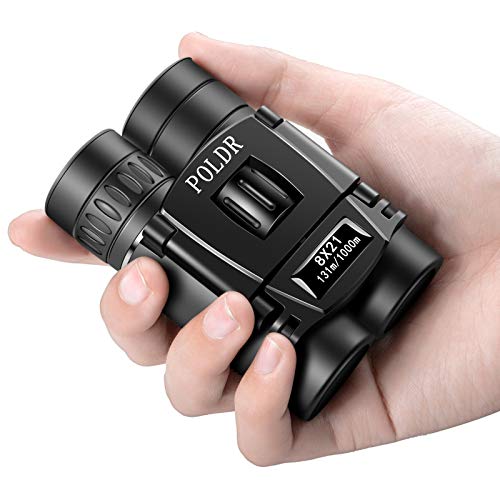 POLDR 8×21 |
| Check price on Amazon |
 BIBIRE 12×50 |
| Check price on Amazon |
Key takeaways
- Compare five low price binoculars for beginners, from compact 8x21 pocket models to a 12x50 roof prism pick, with stated specs for first outings.
A first pair of binoculars should be easy to carry, simple to focus, and forgiving when your hands are unsteady or the light is poor. The five models below all state compact or lightweight form in their own listings, and each one names a beginner-friendly use such as bird watching, travel, or concerts. They are a starting point, not a lifetime investment, and each listing describes the optics in plain terms you can compare directly.
One honest note about the framing of this guide: “low price” is our editorial description of this budget-minded class, not a claim taken from any listing. No listing quoted here states a price, and no pick is claimed to cost under any amount. Judge each model on its stated magnification, objective size, weight wording, and included accessories, and choose the form that matches how you will actually carry and use it.
Quick Picks
As an Amazon Associate we earn from qualifying purchases.
| Product | Best for | Key spec from title |
|---|---|---|
| Celestron Nature DX 8×32 | Travel with a wide view | Compact 32mm design, 7.4-degree viewing angle |
| Nocs Provisions Field Issue 8×32 | Adults and kids sharing one pair | Compact waterproof and shockproof build |
| POXXU 8×21 | Pocket carry for concerts and travel | 8×21 portable compact binoculars |
| POLDR 8×21 | Folding pocket carry for hiking | Mini pocket, foldable, lightweight design |
| BIBIRE 12×50 | Higher magnification on a budget frame | HD roof prism compact binoculars |
How to Choose
Start With Magnification You Can Hold Steady
For a beginner, 8x magnification is the safer starting point because the image shakes less in unsteady hands and the field of view stays wide enough to find birds, boats, or performers quickly. A 10x or 12x model brings distant subjects closer, but every tremor is magnified too, so the view can feel jumpy without a rest or a tripod. The two 8×32 picks in this guide pair moderate magnification with a wide viewing angle, which makes them forgiving when you are still learning to aim and focus. If you choose the 12×50 model, expect a narrower, closer view that rewards braced elbows and patience. Match the magnification to your steadiness, not to the biggest number on the listing.
Let the Objective Size Set the Bulk
The second number in a binocular size, such as the 21 in 8×21 or the 32 in 8×32, is the diameter of the front lens in millimetres, and it decides how big and heavy the pair feels. Small 21mm models fold down to pocket size and disappear into a jacket, which is why they suit concerts, sightseeing, and travel days. A 32mm model is compact and light enough for a day bag while gathering more light, so it performs better at dawn, dusk, and under tree cover. The 50mm model gathers the most light of the five but is the bulkiest to carry. Let where the binoculars will live between uses choose the objective size for you.
Read the Compact and Lightweight Wording Carefully
Every pick in this guide states compact or lightweight wording in its own listing, but those words cover different designs, so read what follows them. A folding pocket model collapses for storage and suits travellers who pack light, while a compact full-size model keeps a standard grip with a shorter body. Lightweight wording matters most when children will use the pair or when you will carry it for hours on a trail. Check the listing for a neck strap, a carry case, and fold-down eyecups, since those small details decide comfort as much as the optics do. Do not assume two models with the same magnification feel the same in the hand.
Treat the Budget Framing Honestly
This guide groups these models as low price picks, which is an editorial framing only: no listing states a price, and nothing here claims any model costs under a particular amount. What the listings do state is the form, the optics, and the intended uses, and that is what you should compare. A budget-minded first pair is a sensible way to learn what magnification and size you prefer before spending more on a specialised model. Avoid judging a listing by its accessory count alone, since a phone adapter or extra case does not improve the glass. Compare magnification, objective size, prism type, coatings, and waterproof wording first, and treat bundled extras as a bonus.
The 5 Best Options
Celestron Nature DX 8×32
- Best for: Beginners who want a wide, steady view for travel and bird watching.
- 8x magnification with a 32mm objective
- Compact 32mm design for travel
- Wide 7.4-degree viewing angle
- Phase-coated optics with BaK-4 prisms
Beginners who want a wide, steady view for travel and bird watching.
The 8x magnification brings subjects closer only moderately, so distant detail stays limited.
The Celestron Nature DX 8×32 is the most travel-ready full-featured pick in this guide, with a compact 32mm design and a wide 7.4-degree viewing angle that makes finding a subject fast and forgiving. Phase-coated optics and BaK-4 prisms are stated in the listing, and the waterproof and fogproof build suits damp mornings and changeable weather. It is a sensible first pair for bird watching and nature walks, where the wide view matters more than extreme magnification, and its compact form keeps it practical in a day bag.
Nocs Provisions Field Issue 8×32
- Best for: Families and groups sharing one rugged first pair outdoors.
- 8x magnification with a 32mm objective
- Compact, waterproof, shockproof, and fogproof build
- BaK-4 prism with multi-coated lenses
- Stated for adults and kids
Families and groups sharing one rugged first pair outdoors.
The rugged build prioritises durability over the lightest possible carry weight.
The Nocs Provisions Field Issue is built for shared use, with a compact waterproof and shockproof body that tolerates drops, rain, and handling by younger users. Its listing states fogproof sealing, 8x magnification, a BaK-4 prism, and multi-coated lenses, and it names both adults and kids as users for bird watching, hunting, and wildlife viewing. That rugged, simple character makes it a strong first pair for families and outdoor groups who need one binocular that many hands can use without worry.
POXXU 8×21
- Best for: Beginners who want a pocket-size pair for concerts, travel, and sightseeing.
- 8×21 portable compact form
- High-powered compact binoculars for adults and kids
- Stated for bird watching, cruise ships, and travel
- Stated for concerts, opera, and theater
Beginners who want a pocket-size pair for concerts, travel, and sightseeing.
The small 21mm objective gathers less light, so dim venues and dusk viewing look darker.
The POXXU 8×21 is the pocket pick of this guide, a high-powered compact model that folds small enough for a jacket pocket or a small bag. Its listing states 8×21 portable form and names bird watching, cruise ships, travel, concerts, opera, and theater, which covers the casual outings where a beginner most often reaches for binoculars. The compact size and easy carry matter more here than raw light gathering, and the black finish keeps the pair discreet in a crowd.
POLDR 8×21
- Best for: Hikers and travellers who want a folding pair that packs flat.
- 8×21 small compact form
- Mini pocket, foldable, lightweight design
- BAK4 FMC optics
- Waterproof build with strap included
Hikers and travellers who want a folding pair that packs flat.
The folding hinges and small body suit light use rather than heavy daily field work.
The POLDR 8×21 is the folding pocket specialist, with a mini pocket, foldable, lightweight design that packs flat for hiking and travel days. Its listing states BAK4 FMC optics, waterproofing, and a strap, and it names bird watching, concerts, and opera as uses, so it suits walkers who want optics on hand without a dedicated case. The foldable form is the deciding feature: it disappears into a pocket when not in use and opens quickly when a subject appears.
BIBIRE 12×50
- Best for: Beginners who want the closest view and accept a larger carry size.
- 12x magnification with a 50mm objective
- HD roof prism compact binoculars
- Large eyepiece
- Waterproof build
Beginners who want the closest view and accept a larger carry size.
The 12x magnification shakes more in unsteady hands, so brace your elbows or rest the pair.
The BIBIRE 12×50 is the high-magnification option, pairing 12x power with a 50mm objective and an HD roof prism compact body with a large eyepiece. Its listing states waterproofing and names cruise trips, bird watching, and hunting, so it suits beginners who want the closest view of the five and are willing to carry a larger pair. The higher magnification rewards steady hands and braced support, and the large eyepiece helps with comfortable eye placement during longer looks.
Which One Fits Your Situation
You Are Buying Your Very First Pair
Start with one of the 8×32 models, since 8x magnification is steady in new hands and the wider view helps you find subjects without frustration. The Celestron suits travellers who want a compact full-featured pair, while the Nocs suits families who need a rugged body many hands can share. Either teaches the basics of focusing and steady holding before you consider a specialised model. Keep first outings short and close to home.
You Mostly Go to Concerts and Shows
Choose a pocket 8×21 model, because it slips into a jacket and stays out of the way until the performance starts. The POXXU and the POLDR both state compact form and name concerts and theater in their listings, so either serves this use well. The folding POLDR packs flatter for tight pockets, while the POXXU covers the widest mix of casual outings. Arrive early, practise focusing on a fixed point, and keep the pair pocketed during applause.
You Walk Trails and Watch Wildlife
Pick a waterproof model with a strap, since trails bring rain, dust, and long carries. The Nocs rugged 8×32 handles rough use and shared carrying, while the POLDR folding 8×21 suits ultralight walkers who count every gram. The Celestron 8×32 sits between them, with a wide view for scanning tree lines and meadow edges. Whichever you choose, wear the strap around your neck, keep the lens caps handy, and wipe lenses only with a proper cloth.
You Want the Closest View Possible
Take the BIBIRE 12×50, but plan to brace yourself: rest your elbows on a rail, lean against a tree, or sit down before you raise the pair. The 12x magnification and 50mm objective show the most detail of the five, and the large eyepiece helps during longer looks. Accept the larger carry size as the trade for that reach, and practise finding subjects at low magnification habits first, since a narrow field makes initial aiming harder.
Common Mistakes
- Buying the highest magnification first, which magnifies hand shake and makes the view harder to hold steady.
- Choosing a large objective size without considering where the binoculars will live between uses.
- Assuming “compact” means the same design on every listing, instead of reading whether the model folds or simply has a shorter body.
- Treating bundled extras such as a phone adapter as proof of better optics, rather than comparing prism type, coatings, and sealing.
- Reading “low price” as a stated price claim, when no listing in this guide states a price at all.
Frequently Asked Questions
What does “low price” mean in this guide?
“Low price” is our editorial framing for this budget-minded class, not a claim taken from any listing. No listing quoted here states a price, and no pick is claimed to cost under any amount. The grouping reflects compact, beginner-friendly form and simple stated specs, so compare the models on magnification, objective size, and build wording rather than on any assumed cost.
Is 8x or 12x magnification better for a beginner?
For most beginners, 8x is the better start because the image shakes less and the field of view stays wide, which makes finding subjects easier. A 12x model shows more detail but magnifies every tremor, so it suits braced or seated viewing. Learn steady holding and focusing on an 8x pair first, then decide whether the extra reach of a 12x model matches how you actually watch.
Can kids use the binoculars in this guide?
Two picks state adults-and-kids use in their listings: the Nocs Field Issue, which adds a rugged shockproof body, and the POXXU 8×21, which is small and light. Teach children to wear the neck strap, to focus slowly, and never to look at the sun. The rugged Nocs is the safer shared choice for younger users, while the pocket models suit older children with supervision.
Do I need waterproof binoculars as a beginner?
Waterproof wording is worth having if you walk trails, watch birds at dawn, or travel where weather changes fast, since damp optics fog and frustrate quickly. Four of the five picks state waterproof builds in their listings. If your use is strictly indoor concerts and theater, sealing matters less than pocket size, so choose the folding or pocket model that carries best for you.