Key takeaways
- Searching for the best lightweight adventure bike? Compare five real gravel bikes sold on Amazon, from featherweight carbon frames to budget aluminum builds.
Introduction
Finding the best lightweight adventure bike is really a question about trade-offs. A bike that feels fast and lively on pavement can feel harsh and twitchy once the surface turns to loose gravel, and a bike built to carry loaded bags over rough ground can feel sluggish when you just want to cover distance. The sweet spot is a drop-bar bike that is light enough to lift over a gate, stiff enough to climb well, and tough enough to handle dirt roads, forest tracks, and the occasional stretch of singletrack without complaint.

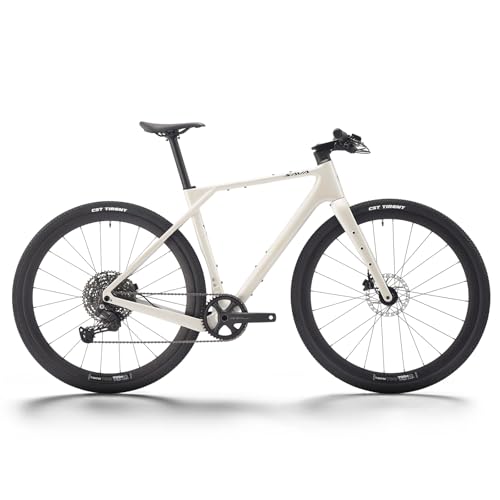
The quick answer is that carbon frames win on pure weight, with the lightest bikes in this guide coming in under 9 kg, while well-built aluminum bikes offer most of the same versatility at a lower outlay and with greater resistance to knocks. If your riding is mostly unloaded day trips on mixed surfaces, a carbon gravel bike is hard to beat. If you plan to load the bike with bikepacking bags, a sturdy aluminum frame with a carbon fork is often the smarter choice.
This guide covers five real adventure bikes sold on Amazon US, each one a drop-bar machine built for mixed-surface riding. Every pick is a genuine gravel or adventure bike, not a mountain bike, not an e-bike, and not a pure road race bike. We look at frame material, tire clearance, gearing, brakes, and mounting points, and we flag the honest limitations of each bike so you can match the machine to the riding you actually do.
Quick Picks
Our Short List of 3
All 5 Picks at a Glance
| Product | Specs | Action |
|---|---|---|
| 1. KABON Carbon Gravel Road Bike (Shimano 105 R7000, 22-Speed) — Lightest Overall | Check price on Amazon | |
| 2. SAVADECK Carbon Gravel Bike (Shimano U6000, 11-Speed) — Best Carbon Spec | Check price on Amazon | |
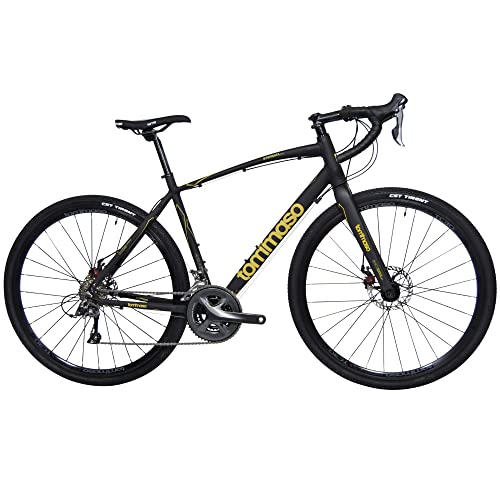 3. Tommaso Sterrata — Best Aluminum Pick for Rough Roads | Check price on Amazon | |
 4. Tommaso Illimitate — Best Step Up in Shifting Quality | Check price on Amazon | |
 5. Schwinn Sporterra RX — Best Budget Entry Point | Check price on Amazon |
How to Choose the Best Lightweight Adventure Bike
Frame Material Matters More Than Any Single Component
The frame sets the character of the bike. Carbon fiber is the lightest option and the best at damping vibration, which is why the two carbon bikes in this guide are also the two lightest. Aluminum is heavier but tougher, cheaper to repair, and less worrying to lean against a rock or strap bags to. Steel rides beautifully but is rarely the lightest choice, and no steel adventure bike currently sold on Amazon matched the weight focus of this guide. For most riders, the choice is between carbon for speed and comfort, and aluminum for durability and value.
Know What “Lightweight” Really Means
A bare bike weight is only the starting point. A carbon gravel bike at 8.7 kg feels dramatically different from an aluminum bike at 13.9 kg on a long climb, but once you add two water bottles, a frame bag, a seat pack, and a handlebar roll, the gap shrinks in relative terms. A good rule of thumb is that a complete adventure bike under 10 kg is genuinely light, 10 to 12 kg is respectable for an aluminum build, and anything over 13 kg should earn its weight with extra toughness or carrying capacity. Judge the bike by its loaded weight, not just the number on the listing.
Tire Clearance Decides Where You Can Ride
Tire width is the single biggest factor in how a bike handles rough ground. A bike that clears 700x40c tires, like the carbon picks in this guide, can run enough volume to float over washboard gravel and absorb sharp edges. Bikes limited to narrower tires feel faster on pavement but punish you on loose surfaces. Look for clearance of at least 38 mm if you ride mixed surfaces, and 40 mm or more if gravel and dirt make up most of your routes.
Gearing Should Match Your Terrain, Not Your Ambition
Adventure riding means steep, loose climbs with a loaded bike, so low gears matter more than top-end speed. A 1x drivetrain with a wide-range cassette is simple and reliable, while a 2x drivetrain gives tighter steps between gears for long road sections. The bikes in this guide range from 11-speed to 24-speed setups, and all of them offer a usable low gear for climbing. What matters is the smallest gear ratio: if you ride hilly ground with bags, favor a compact chainset or a wide-range cassette over tall road gearing.
Brakes: Hydraulic Versus Mechanical Disc
Disc brakes are now standard on adventure bikes, and the choice is between hydraulic and mechanical. Hydraulic disc brakes, as fitted to the SAVADECK, give stronger stopping with less hand effort and self-adjust as pads wear, which is a real advantage on long descents with a loaded bike. Mechanical disc brakes, as fitted to the other picks here, are simpler to service trailside with basic tools. Neither is wrong; hydraulic suits riders who value braking feel, mechanical suits riders who value field serviceability.
Mounts Turn a Bike Into an Adventure Bike
A true adventure bike carries its load on the frame, not on your back. Look for mounts for bottle cages inside the main triangle, mounts on the fork for extra bottles or cargo cages, and threaded eyelets for a rear rack and fenders. The aluminum bikes in this guide tend to be better equipped here, since their frames are designed with touring in mind. Carbon frames often have fewer mounts, so if you plan multi-day trips, count the mounting points before you buy.
Fit and Sizing Come Before Everything Else
The lightest bike in the world is a bad buy if it does not fit. Adventure bikes are sold in frame sizes measured in centimeters, and the right size depends on your height, inseam, and reach. Some Amazon listings carry only one or two sizes at a time, so check the size chart against your measurements before ordering. A bike that fits well will always feel lighter than a bike that fights you, whatever the scale says.
The Best Lightweight Adventure Bike Reviewed
1. KABON Carbon Gravel Road Bike (Shimano 105 R7000, 22-Speed) — Lightest Overall
The KABON is the lightest bike in this guide, and the reason is simple: a full T800 carbon fiber frame and fork paired with a claimed weight of 8.7 kg (19.2 lb). That is genuine road-bike territory for a machine that rolls on 700x40c tires and is built for mixed surfaces. If your main goal is a bike that climbs eagerly, carries easily, and feels lively on every ride, this is the pick that delivers the most lightness per dollar.
The drivetrain is Shimano 105 R7000, a 2×11-speed setup that shifts crisply and gives tight gear steps for long paved stretches between gravel sections. Mechanical disc brakes handle stopping duties, and the integrated carbon handlebar keeps the front end clean and stiff. The 700x40c tires are the right width for real gravel riding, with enough volume to take the edge off rough surfaces without feeling slow on tarmac.
There are two honest caveats. First, the 105 drivetrain is a road groupset rather than a gravel-specific one, so it lacks the clutch derailleur that keeps the chain quiet on washboard surfaces. Second, like most carbon adventure bikes, it has fewer mounting points than an aluminum touring frame, so heavy multi-day loads are better carried in frame bags than on a rack. For fast, lightly loaded adventure riding, though, nothing else in this guide matches its weight.
Verification note: the ASIN for this bike was taken from a third-party roundup listing and could not be confirmed against an Amazon product page or Amazon search result before publication, because our search quota was exhausted. Treat it as the weakest verification in this guide and confirm the listing matches this exact model, with the 105 R7000 22-speed drivetrain, before ordering.
2. SAVADECK Carbon Gravel Bike (Shimano U6000, 11-Speed) — Best Carbon Spec
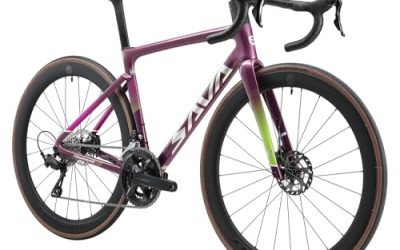
The SAVADECK is the best-specified carbon bike in this guide, and the one that feels most purpose-built for gravel. Its T800 carbon frame and fork carry a Shimano U6000 11-speed groupset with hydraulic disc brakes, a combination that gives confident stopping power on long descents and clean, reliable shifting across a wide gear range. At 10.4 kg (22.92 lb), it is heavier than the KABON, but the hydraulic brakes and gravel-oriented build make up for the difference on rough ground.
One thing to note is that the sizes are sold as separate listings, and stock can be thin in a given size, so check your size before settling on this bike. For fast gravel, mixed-surface day rides, and light bikepacking, it is the most complete carbon package here.
3. Tommaso Sterrata — Best Aluminum Pick for Rough Roads
The Tommaso Sterrata is the aluminum sibling of the better-known Sentiero, and the upgrade that matters most is its carbon fork. On rough gravel, a carbon fork takes the buzz out of your hands in a way an alloy fork never does, and it is the single change that makes the biggest difference to comfort on long rides. The frame is aluminum, the drivetrain is a 24-speed Shimano Claris setup, and disc brakes provide reliable stopping in wet and dry conditions.
This is a bike for riders who want a real drop-bar adventure machine without the fragility worries of carbon. The aluminum frame handles knocks, leans, and loaded bags without complaint, and Claris is a serviceable groupset that any bike shop can maintain. The 24-speed range gives a low gear for steep climbs and enough top end for road sections.
The trade-off is weight: aluminum with a carbon fork will not match the carbon bikes in this guide, and Tommaso does not publish a weight for this listing, so buyers should expect a bike in the mid-20-pound range rather than a featherweight. That is a fair exchange for durability and serviceability.
4. Tommaso Illimitate — Best Step Up in Shifting Quality
The Tommaso Illimitate moves one rung up the component ladder from the Sterrata, pairing an aluminum frame and carbon fork with a Shimano Tiagra 20-speed drivetrain. Tiagra shifts more crisply than Claris and holds its adjustment better over time, which matters on a bike that will see dirt, dust, and vibration. For riders who plan to ride often and want shifting that stays sharp between services, that upgrade is worth having.
Like the Sterrata, the Illimitate is a genuine gravel and adventure bike: drop bars, disc brakes, an aluminum frame that tolerates rough handling, and a carbon fork that softens the ride. The 20-speed drivetrain gives a slightly narrower gear range than the 24-speed Claris setup, but the steps between gears are better spaced, which makes it easier to hold a steady cadence on rolling terrain.
The same caveats apply as with the Sterrata: this is not the lightest bike in the guide, and it is best suited to riders who value durability and shifting quality over outright weight savings. If you ride a mix of pavement and gravel several times a week and want a bike that stays reliable with basic maintenance, the Illimitate is a strong choice.
5. Schwinn Sporterra RX — Best Budget Entry Point
The Schwinn Sporterra RX is the most affordable way into a proper drop-bar adventure bike, and it earns its place here as the budget pick. It pairs a rigid aluminum frame with a 14-speed drivetrain, mechanical disc brakes, and 700c wheels, and its aerodynamic riding position suits riders who split their time between pavement and light gravel. For a first adventure bike, it covers the essentials: drop bars, disc brakes, and a frame that can handle mixed surfaces.
The 14-speed drivetrain is simpler than the 24-speed setups on the Tommaso bikes, with fewer gears to maintain and a straightforward shifting pattern that suits newer riders. The honest limitation is weight. At around 30.7 lb, the Sporterra RX is the heaviest bike in this guide by a clear margin, and only a partial fit for a list focused on lightweight bikes. If low weight is your top priority, the carbon picks above are the better choice. But if budget matters most and you ride mostly flat to rolling terrain, the Sporterra RX gets you onto a real gravel bike and leaves room in your budget for a helmet, bags, and lights.
What to Check Before You Buy
Before you order any adventure bike, work through a short checklist. First, confirm your frame size against the manufacturer’s size chart using your height and inseam, and remember that some listings carry only one or two sizes, so your size may not be in stock. Second, confirm the exact model and drivetrain in the listing, since similar names can hide different groupsets, and the ASIN you click should match the bike described. Third, check tire clearance and think about the widest tire you might want, since that decides how rough the ground you can ride.
Fourth, plan your carrying setup before the bike arrives. Decide whether you will use frame bags, a seat pack, a handlebar roll, or a rack, and check that the frame has the mounts your setup needs. Fifth, budget for assembly and a first service: most bikes sold online arrive mostly assembled but need the handlebars, front wheel, and pedals fitted, and a professional check after the first few rides catches cables bedding in and bolts settling.
Frequently Asked Questions
How light should a lightweight adventure bike be?
A complete adventure bike under 10 kg is genuinely light, and the lightest pick in this guide comes in at 8.7 kg. Bikes between 10 and 12 kg are respectable, especially in aluminum, while anything over 13 kg should justify its weight with extra toughness or carrying capacity. Remember that bags, bottles, and tools add weight on every ride, so judge the bike by its loaded weight as well as its bare weight.
Is carbon or aluminum better for adventure riding?
Carbon is lighter and damps vibration better, which makes it the best choice for speed and comfort on mixed surfaces. Aluminum is tougher, cheaper to repair, and less worrying to load with bags or lean against rough surfaces. If you ride mostly unloaded day trips, carbon wins. If you load the bike heavily and ride rough ground, aluminum is often the smarter choice.
What tire width do I need for gravel and adventure riding?
For mixed surfaces, look for clearance of at least 38 mm, and 40 mm or more if gravel and dirt make up most of your riding. Wider tires run at lower pressure, grip better on loose surfaces, and absorb sharp edges that would rattle a narrow tire. All of the carbon picks in this guide ship with 700x40c tires, which is a good starting point for adventure riding.
Do I need hydraulic disc brakes on an adventure bike?
Hydraulic disc brakes give stronger stopping with less hand effort and self-adjust as pads wear, which helps on long descents with a loaded bike. Mechanical disc brakes are simpler to service with basic tools and any bike shop can work on them. Hydraulic suits riders who value braking feel, mechanical suits riders who value field serviceability, and both are a big step up from rim brakes in wet conditions.
Can I use an adventure bike for bikepacking?
Yes, provided the frame has the mounts your setup needs. Frame bags, seat packs, and handlebar rolls work on almost any adventure bike, while a rear rack needs threaded eyelets on the frame and fork. Carbon frames often have fewer mounts than aluminum frames, so count the mounting points before you buy if multi-day trips are part of your plan.
Bottom Line
The best lightweight adventure bike for most riders is the KABON Carbon Gravel Road Bike, because at 8.7 kg it is the lightest machine in this guide and its Shimano 105 drivetrain is proven and reliable. If you want hydraulic brakes and a gravel-specific build, the SAVADECK Carbon Gravel Bike is the better-specified carbon option. If you load the bike heavily and ride rough ground, the Tommaso Sterrata or Illimitate give you aluminum toughness with a carbon fork, and the Schwinn Sporterra RX is the sensible budget entry point if weight is not your top priority.
Disclosure: As an Amazon Associate, we may earn from qualifying purchases.